August 26, 2026 · 5 min read
Why we monitor everything we ship (and what breaks quietly)
Shoeb Mahfuz
Co-founder, Network & Cybersecurity Engineer
An automation almost never fails the way people picture. There's no crash, no error page, nothing that shows up as an outage. It just quietly stops doing part of what it's supposed to do, and everything looks fine from the outside — until a customer notices before you do.
How this actually happens
A third-party API renames a field. A rate limit gets tightened. An access token expires on a schedule nobody wrote down. A platform changes a default setting in an update nobody asked for. None of these are dramatic events on their own — they're exactly the kind of small, unannounced change that a working automation quietly stops tolerating.
The automation doesn't announce that it's broken. It just starts silently skipping the step that depended on the thing that changed, while everything around it keeps running normally.
Why this is worse than a visible outage
A visible outage gets fixed fast because everyone can see it. A quiet failure can run for days or weeks before anyone connects the dots — usually only after a customer complains about something that should have been automatic, at which point you're doing damage control instead of a quick fix.
What real monitoring actually checks
- Not just “is the server up,” but “is the automation still producing the outcome it's supposed to.”
- Whether a downstream API's shape has changed since the integration was built.
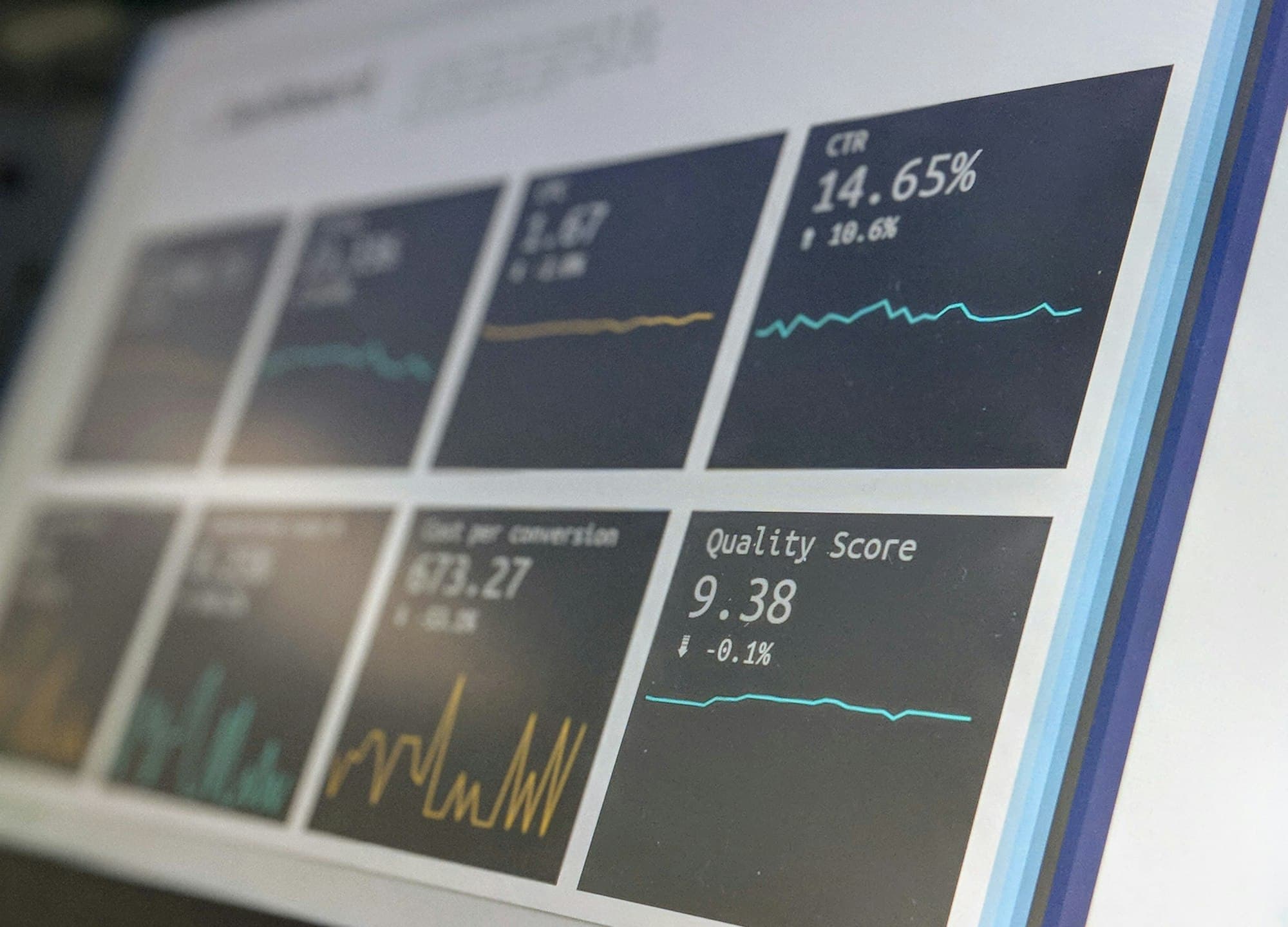
- Whether volume has dropped to zero in a place it shouldn't — often the first sign something's silently broken.
- Whether credentials are approaching expiry before they lapse mid-process.
This is why we treat monitoring as a retainer, not a line item you can skip after launch. A system that worked perfectly on delivery day and was never checked again isn't finished — it's just not broken yet.